Black Mold?
Don't Take Chances! Call the Top Black
Removal Company in Fallon and get cleaned up FAST!



Why Choose Us?
- Certified Pros
- Available 24/7/365
- Rapid Response
- Fully Licensed And Insured
- We Work With Your Insurance Company
Call Now (775) 204-2660
Professional Mold Removal in Fallon, Nevada
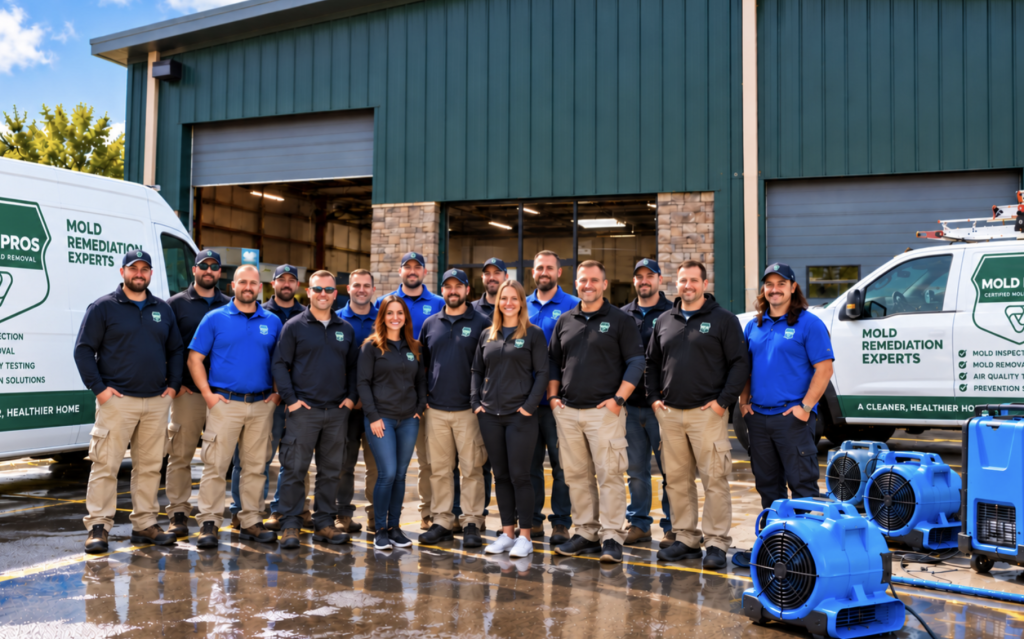
Fallon Mold Remediation Pros helps property owners address mold after leaks, flooding, or hidden moisture. Our work starts with finding the moisture source and protecting areas that are not affected. We explain what needs cleaning, what needs removal, and where rebuilding falls outside the remediation scope. The plan can serve a home, apartment, office, school, or other commercial property in Fallon and nearby areas.
What Happens During Mold Removal?
The first visit focuses on the affected area, moisture conditions, materials, and safe work boundaries. We look for signs connected to roof leaks, plumbing leaks, window leaks, HVAC moisture, or stormwater entry. We also consider whether water reached drywall, insulation, carpet, subflooring, framing, or other porous materials. Finding and correcting the moisture source is essential because cleaning without source control leaves the problem open to return.
We set up containment when the work could spread mold dust into clean areas. Containment means plastic walls or barriers that separate the work zone from occupied parts of the building. We use personal protective equipment and HEPA filtration during removal and cleaning. A HEPA air scrubber filters fine dust from the air while the work area is being handled.
Porous materials often need careful removal when mold growth has entered their fibers or backing. Drywall, insulation, carpet, and some wood products do not clean as reliably as solid, nonporous surfaces. Concrete, metal, glass, and tile usually receive a different cleaning process when their surfaces are suitable for restoration. We work to protect unaffected contents, finishes, and rooms from unnecessary disturbance.
What’s Included in Mold Remediation?
Our mold remediation scope is built around controlling moisture, isolating the work, removing affected materials, and cleaning surfaces that can be restored. The exact tasks depend on the affected area and the materials present. Residential work often involves a room, wall cavity, attic area, or appliance leak. Commercial work may require more planning around occupants, operating hours, shared ventilation, and business access.
- Moisture-source review involving leaks, drainage, HVAC systems, or water intrusion
- Containment, protective equipment, and HEPA air filtration when the work area requires them
- Removal of affected porous materials and cleaning of suitable hard surfaces
- Bagging, handling, and control of mold-affected debris within the work area
- Attention to drywall, insulation, carpet, subflooring, framing, concrete, tile, attics, and other materials as present
Black mold cleanup follows the same safety and moisture-control principles as other mold work. People commonly use “black mold” for dark-colored growth, but color alone does not identify the species. We do not perform mold testing; independent testing or assessment can help when the extent or type of a problem needs separate documentation, and our warning signs guide explains that issue in more detail.
What’s Not Included in Mold Remediation?
Remediation does not automatically include rebuilding every removed assembly. Removing damaged drywall or insulation is different from installing new drywall, painting, replacing cabinets, or rebuilding finished spaces. Plumbing, roofing, HVAC, electrical, and structural repairs also require separate decisions when those systems caused the moisture. We identify these boundaries before work begins so you know which conditions still need attention.
- Full reconstruction, finish carpentry, painting, or replacement of removed finishes
- Permanent repair of roofs, plumbing lines, HVAC equipment, grading, gutters, or drainage systems
- Independent mold testing, laboratory analysis, or species identification
Some properties need several trades after the affected materials are removed and the area is ready. Nevada construction and repair requirements can apply to work beyond remediation, so property owners should review licensing needs for any reconstruction contractor. The Nevada Revised Statutes Chapter 624 resource provides a useful starting point for contractor-related questions. We can keep the remediation scope separate from later rebuilding work.
Which Materials Need Cleaning or Removal?
Drywall is often removed when mold has spread through its paper facing or into a wall cavity. Insulation can hold moisture and hidden growth, especially after a leak remains unnoticed. Carpet and pad may require removal when water and mold reach the backing or subfloor. These materials are different from tile, concrete, or metal, which may be candidates for detailed surface cleaning when they remain structurally sound.
Framing and subflooring require closer attention because moisture can remain inside joints, seams, and concealed edges. We do not treat visible surface wiping as proof that a wood assembly is dry or clean. Attics need special care if a roof leak, bathroom vent, or dryer vent has affected roof sheathing. Crawl spaces have lower local relevance in Fallon than many wetter markets, but a specific property still needs review if its design has enclosed or damp areas.
Cleaning and removal decisions also depend on access and the size of the affected area. A small cabinet leak can damage nearby flooring and wall materials even when the visible stain looks limited. A larger loss can require staged containment so workers can protect clean portions of the building. We explain the material decisions in the written scope rather than treating every surface the same.
What Moisture Patterns Matter in Fallon Buildings?
Fallon’s dry climate does not prevent mold when water enters or stays inside a building. Local moisture concerns include roof, window, plumbing, and building-envelope leaks. Heavy rain runoff and stormwater drainage problems also matter, especially where water moves toward a structure. Properties near irrigation infrastructure, reservoirs, wetlands, or mapped flood areas may need extra attention to how water reaches the site.
The Carson River drainage and Lahontan Reservoir system influence flood conditions across the Lahontan Valley. Churchill County and City of Fallon mapping resources can help owners review address-level flood and drainage information. That information does not replace an inspection of the building itself. It helps explain why a property near a drainage feature may need closer review after a storm or water event.
Older commercial buildings along the Maine Street corridor can have different access and wall-assembly concerns than newer subdivisions. Rural homes, agricultural buildings, warehouses, schools, and military-related properties also vary in layout and ventilation. We account for the building’s use when planning containment and occupant protection. A business may need work zones arranged around staff and customers, while a home may need a plan for bedrooms, pets, and daily routines.
How Long Does the Work Take and What Does It Cost?
Job length depends on the affected materials, work-area size, containment needs, access, and the moisture source. A limited room may involve fewer steps than a multi-room loss or a commercial project with shared air movement. Drying and source repairs can also affect when removal and cleaning are completed. We do not assign a reliable duration without reviewing the actual conditions.
Actual mold remediation costs vary based on affected materials, work-area size, containment needs, access, and the moisture source. An inspection is needed before a final scope and price can be provided. Drywall and insulation removal usually require different labor from hard-surface cleaning. Large commercial areas, concealed damage, and restricted access can add planning and work time.
Occupants do not automatically need to leave every project. The decision depends on the work area, containment, air movement, materials being removed, and the building’s use. Sensitive occupants should discuss personal health concerns with a doctor before work begins. Commercial owners should also plan for staff, visitors, students, patients, or customers who could enter the affected area.
What Can Cause Mold Problems in Fallon Properties?
Our team is IICRC certified, and we are in good standing with the BBB. We use a practical scope that separates moisture control, remediation, and reconstruction. That separation helps property owners understand what the current work addresses and what another contractor may need to complete later. We serve homes and commercial properties throughout Fallon and surrounding Churchill County areas.
We follow established moisture-control and remediation principles for occupied buildings. The U.S. Environmental Protection Agency offers guidance on protecting occupants and workers during mold remediation in schools and commercial buildings. Nevada also publishes mold-remediation guidance for schools and commercial buildings. These resources are useful when a project involves a school, office, retail property, public building, or other shared facility.
If you have found mold after a leak or water event, call (775) 204-2660 to discuss the property. We will ask what happened, which materials are affected, and whether active water is still present. If water is actively entering, shut off the source when it is safe to do so before work is planned. We can then explain the first visit, likely work boundaries, and what information is needed to prepare a remediation scope.
Frequently Asked Questions
Should I paint over a mold stain?
Do not paint over visible mold before the moisture problem is addressed. Paint can hide a stain while moisture or growth remains beneath the surface. It can also make later inspection and material removal more difficult. Keep the area dry and limit disturbance until the affected materials have been reviewed.
Can a roof or plumbing leak cause mold in a dry climate?
Yes, a single leak can create enough moisture for mold growth inside a building. Fallon’s low average precipitation does not protect materials from indoor plumbing leaks or roof entry. Water can remain inside drywall, insulation, carpet, or wall cavities after the visible surface dries. Source control and material review are still needed after a limited leak.
Is mold removal the same as mold cleaning?
No, removal and cleaning address different conditions. Affected porous materials often need removal because growth can enter their fibers or backing. Suitable hard surfaces may be cleaned when they remain intact and accessible. The final scope should explain which materials are removed and which are cleaned.
Does every mold project require containment?
Not every small condition requires the same containment setup. The need depends on the work area, material disturbance, access, and the risk of spreading dust. Plastic barriers and HEPA air filtration are useful when removal could affect nearby occupied or clean areas. The work plan should match the building and the size of the affected space.